
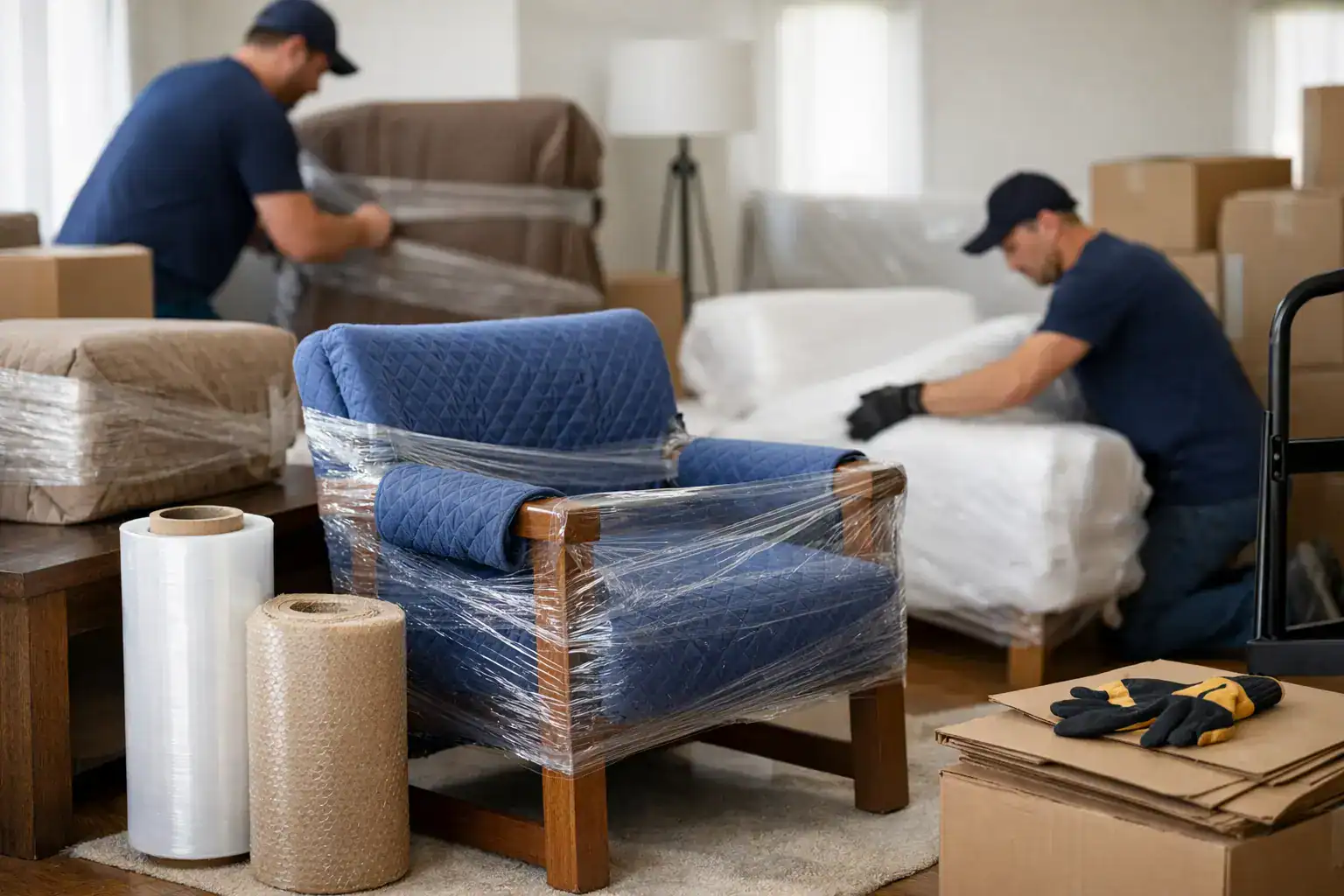
A sofa can look perfectly fine until it catches a doorway corner. A wood dresser can pick up a deep scratch from one rushed trip across a parking lot. Furniture protection during moving is not about wrapping everything in as much material as possible. It is about using the right protection, planning the route, and having enough hands to move each piece without forcing it.
For South Florida households and businesses, the challenge often starts before the truck arrives. Elevator reservations, tight condo hallways, gated community access, heat, rain, and limited loading zones can all turn a simple carry into a high-risk moment. A careful moving plan protects the furniture and keeps the day moving forward.
Why furniture damage happens during a move
Most furniture damage does not happen while an item is sitting in the truck. It happens during transitions: lifting from a room, turning through a doorway, loading onto a dolly, crossing a threshold, or placing the piece in its new location. Those are the moments when a corner meets a wall, a drawer slides open, or a heavy item shifts unexpectedly.
Poor preparation creates many of these problems. A loose shelf can fall out. An unwrapped table leg can scrape against a bed frame. A couch that is too large for the planned route may be pushed through a doorway instead of carefully angled or partially disassembled. Even a small mistake can leave a noticeable mark on furniture that took years to choose and pay for.
The right approach depends on the piece. A sturdy fabric sofa needs different protection than a mirrored dresser, a glass dining table, or an antique cabinet with delicate veneer. That is why experienced movers look at the item, the route, and the loading plan together.
Furniture protection during moving starts before moving day
Start by taking a practical inventory of the furniture you plan to move. Measure large pieces, especially sectionals, armoires, dining tables, oversized desks, and headboards. Then measure the narrowest doorways, stair landings, elevator openings, and hallways at both locations. This step can reveal whether a piece needs to be disassembled or whether a different path is safer.
Remove items from drawers, cabinets, and shelves before wrapping furniture. A loaded dresser may seem easier to move without unpacking, but extra weight puts more pressure on joints and makes the item harder to control. Loose contents can also shift and damage the interior. If drawers need to remain in place, secure them so they cannot slide open while the piece is being carried.
Take photos of high-value or already-damaged furniture before the move. This is not about expecting the worst. It gives you a clear record of condition and helps you point out any special concerns to your moving crew. Mention loose legs, delicate trim, old repairs, glass panels, or furniture that cannot be tipped on its side.
Choose protection based on the furniture
Moving blankets are one of the most useful tools for protecting wood, upholstery, and finished surfaces. They create a padded barrier between furniture and walls, truck rails, dollies, and other items. The blanket must be secured, though. A loose blanket can shift during a carry and expose the exact corner it was meant to protect.
Stretch wrap is useful for holding blankets in place and securing doors, drawers, and removable cushions. It should not be the only protection for finished wood, leather, or delicate upholstery. Plastic wrap can trap moisture and, when applied directly to certain surfaces for too long, may create problems. In South Florida’s humidity, avoid wrapping damp furniture or storing tightly wrapped pieces for extended periods.
For fragile components, use more specific materials. Cardboard corner protectors help shield table edges and framed pieces. Bubble wrap is best reserved for glass, mirrors, marble tops, and smaller fragile parts rather than wrapping an entire sofa or dresser. Glass tabletops should be removed whenever possible, wrapped separately, clearly identified, and loaded upright in a secure position.
If furniture has removable legs, shelves, doors, or hardware, disassemble it when doing so makes the item safer and easier to carry. Place screws, bolts, and small hardware in labeled bags and keep them with the corresponding item. There is a trade-off here: unnecessary disassembly can add time and create reassembly issues, while leaving a large item intact can make it awkward or unsafe. The best choice is the one that reduces strain on the furniture and the people carrying it.
Protect the route, not just the furniture
A wrapped dresser can still be damaged if it is dragged across rough concrete or bumped down an unprotected stairwell. Good movers prepare the route before lifting. They clear boxes, rugs, pet toys, and other obstacles from walkways. They protect floors where needed and check for low light, slippery surfaces, narrow turns, and door hardware that could catch an item.
At apartment and condo buildings, confirm elevator rules and loading-dock procedures ahead of time. Many South Florida properties require certificates, reservations, specific moving hours, or protective coverings in common areas. Missing these details can create delays that lead to rushed decisions later.
Parking matters, too. The farther the truck is from the entrance, the more carries are required and the more opportunities there are for furniture to be bumped or exposed to weather. A planned loading area helps the crew work efficiently without cutting corners.
Loading is where careful work pays off
The truck should be loaded with balance and protection in mind, not simply filled from front to back. Heavy, sturdy furniture generally goes in first and is secured against the truck wall. Softer items, boxed goods, and lighter pieces can fill spaces without placing pressure on fragile surfaces.
Every item needs to be tied off or braced so it cannot shift during turns, braking, or uneven roads. A blanket between two pieces is helpful, but it does not replace proper securing. Furniture should never ride loose, and glass, mirrors, and delicate pieces should not be buried under heavy items.
This is also why a professional crew can make a real difference. Proper dollies, straps, moving pads, lifting techniques, and truck-loading experience reduce the risks that come with heavy or awkward pieces. For pianos, gun safes, large appliances, and other specialty items, the equipment and crew experience are not optional extras. They are part of safe handling.
What homeowners can do while movers handle the heavy lifting
You do not need to hover over every carry, but your preparation helps the crew protect what matters most. Point out pieces that are especially valuable, sentimental, or fragile. Make sure pets and children are safely away from active moving paths. Keep a small essentials bag with keys, documents, medications, chargers, and anything that should travel with you rather than in the truck.
If weather is uncertain, ask about the plan for rain. Furniture can be protected during brief exposure, but soaked upholstery, unsealed wood, and wet cardboard are problems worth avoiding. A short delay or a better loading sequence may be smarter than trying to rush valuable belongings through a downpour.
When the truck arrives at the new place, direct the crew to rooms rather than leaving everything in one pile. Fewer extra moves inside the home mean fewer chances for scratches, strained backs, and misplaced furniture. Check large pieces as they are placed, especially before the crew leaves.
Care is part of a better moving experience
Affordable moving should not mean careless moving. At Rest & Relaxation Moving / Delivery, careful handling begins with a clear plan, the right materials, and a crew that treats every carry like it has consequences. From a condo move in Fort Lauderdale to a family relocation in Boca Raton or a business move across South Florida, details matter.
Your furniture represents comfort, work, memories, and investment. Give it the protection it deserves by planning early, communicating clearly, and choosing help that does not rush the job. Then you can walk into your new space ready to settle in, not ready to start searching for repair kits.

