
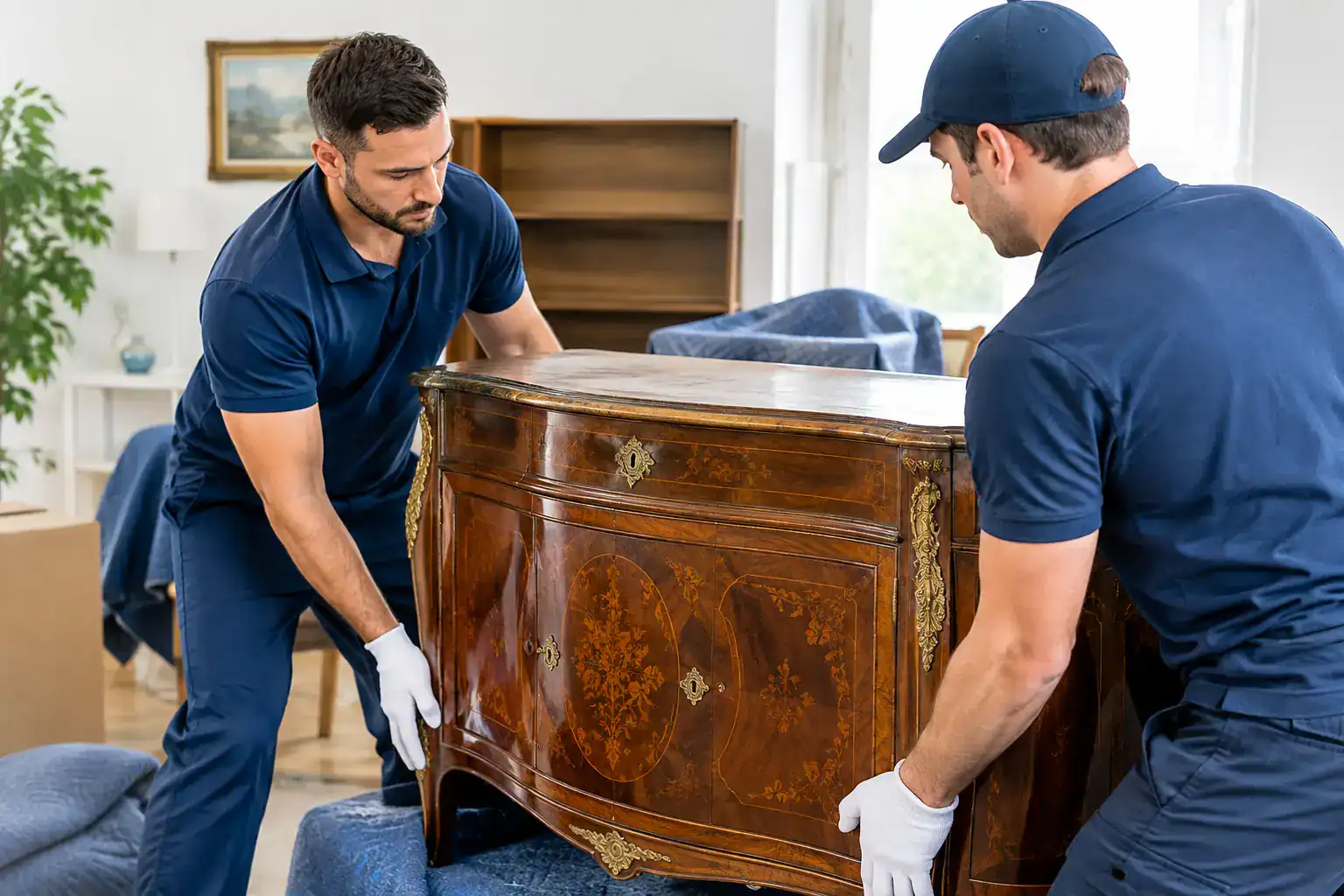
A carved armoire that has been in the family for generations is not just another piece of furniture. Neither is a fragile china cabinet, a marble-top table, or a signed mid-century chair. When customers ask, “can movers handle antiques,” they are usually asking a bigger question: Will someone understand what this piece means to me and move it with the care it deserves?
The right moving crew can handle many antiques safely, but the answer depends on the item’s condition, construction, value, and the route it must travel. A trained team brings the labor, equipment, packing materials, and planning needed to reduce risk. For exceptionally rare, damaged, or museum-quality pieces, you may also need an appraiser, conservator, or specialty crating service involved before moving day.
Can Movers Handle Antiques Safely?
Yes, experienced movers can handle antiques when the move is properly planned. Antiques require a different approach than a modern dresser that can tolerate a few bumps. Older furniture may have dried glue joints, thin veneers, hand-carved details, original glass, marble inserts, or hardware that has loosened over time. A piece can look sturdy and still be vulnerable in the wrong hands.
A careful crew starts by assessing the item instead of rushing to lift it. They look at its weight, weak points, removable parts, doorway clearance, stairs, elevator access, and the distance from the home to the truck. That assessment determines how the piece should be protected, carried, and secured.
For example, a tall antique cabinet may need its shelves, doors, and keys removed and packed separately. A marble-top table may need the stone top detached, padded, and transported upright in a protected position. A heavy grandfather clock often requires special preparation of its pendulum and weights according to the manufacturer’s or restoration professional’s guidance.
The goal is not simply to get the antique onto the truck. It is to prevent pressure, vibration, shifting, moisture exposure, and careless handling from causing damage along the way.
What Professional Antique Moving Care Looks Like
The protection method should fit the piece. Blankets alone may be enough for a solid wood chest in stable condition, while a delicate display cabinet with curved glass needs more layers of preparation and careful placement. Good movers do not use one packing method for everything.
For most household antiques, the process includes careful wrapping with clean moving pads, securing padding so it cannot slide, and using stretch wrap only over the padded exterior when appropriate. Direct plastic against certain finishes or materials can create problems, especially during South Florida heat and humidity. The crew should avoid taping directly to finished wood, veneer, or delicate surfaces.
Inside the truck, antiques should be loaded in a position that limits movement. They should be tied down securely, protected from heavier items, and kept away from areas where they can rub against metal, tools, or sharp furniture edges. A well-packed truck matters as much as the wrapping. An antique that is protected at pickup can still be damaged if it shifts during transport.
At delivery, careful handling continues. Movers should confirm the placement area, watch for tight turns and flooring changes, and set the item down gently rather than dragging it across tile, wood, or carpeting. For a local move in Fort Lauderdale, Boca Raton, Delray Beach, or Miami-Dade, building elevators, narrow hallways, parking rules, and gated-community access can all affect the plan.
When an Antique Needs Specialty Handling
Not every old item needs a museum-level moving process. At the same time, some pieces should never be treated as routine furniture. The best decision comes from being honest about the item’s risk level.
Special handling is worth discussing when an antique has any of these concerns:
- Loose joints, cracks, water damage, woodworm damage, or unstable legs
- Marble, stone, glass, mirrors, stained glass, or large removable panels
- Exceptional age, historical importance, high appraised value, or sentimental value that cannot be replaced
- Unusual size or weight, such as a large armoire, cast-iron safe, antique piano, or oversized sculpture
- A difficult route involving stairs, balconies, tight elevators, long carries, or limited truck access
A professional mover may recommend an extra crew member, a furniture dolly, lifting straps, a piano board, custom crating, or a different route through the property. These are not unnecessary add-ons. They are often the practical difference between a controlled move and a preventable accident.
If an item is extremely valuable or fragile, speak with a qualified antiques appraiser or conservator before the move. They can document its condition, advise on disassembly, and tell you whether temperature-controlled transport or custom crating is appropriate. Movers are experts in transport and handling, while conservators are experts in preserving delicate historic materials. Those roles can work well together.
Prepare Your Antiques Before Moving Day
A little preparation gives your movers the information they need to work safely and gives you a record of the item’s condition. Start early, especially if you are moving during a busy season or from a condominium with elevator reservations.
Take clear photos from every side of each antique, including close-ups of existing scratches, cracks, or worn finishes. Keep appraisals, receipts, restoration records, and instructions for special items in a separate folder. If a piece has a hidden latch, removable shelf, fragile handle, or a door that must stay locked, point it out before the crew begins.
Do not try to repair loose legs or joints with a quick fix just before moving. Fresh glue may not be cured, and improvised repairs can make professional handling harder. Instead, tell the moving team what is loose or fragile. They can adjust their grip, use additional padding, or recommend the safest next step.
You should also remove loose contents from drawers, cabinets, and display cases unless the mover has specifically advised otherwise. Small items can shift, add unexpected weight, and damage the interior. Wrap china, collectibles, and framed art separately rather than assuming the furniture itself will protect them.
For antiques in storage, check for moisture, pests, and weakened cardboard before moving day. South Florida humidity can affect wood, paper, upholstery, and metal over time. A piece that has been sitting in a garage, shed, or storage unit may need a closer inspection before transport.
Ask the Right Questions Before You Book
A moving estimate should be based on more than the number of bedrooms in your home. Mention antiques during your first conversation, and describe the pieces as clearly as possible. Photos are especially useful for large, fragile, or unusually shaped items.
Ask how the company plans to protect the piece, whether disassembly is needed, what equipment the crew will bring, and whether the pickup and delivery locations have access concerns. If you live in a high-rise, ask about elevator timing, loading dock rules, certificate requirements, and parking arrangements. These details help prevent last-minute delays and reduce the chance that a crew has to improvise around a tight space.
It is also reasonable to ask about valuation coverage options and what documentation the mover needs for a high-value item. Do not assume that standard moving coverage reflects an antique’s appraised or sentimental value. Read the paperwork before moving day and keep copies of your records.
Price matters, but the lowest quote is not always the safest choice for an irreplaceable piece. A clear estimate that accounts for labor, packing, access, and specialty equipment is more useful than a vague promise that everything will be handled somehow.
The Value of a Local, Planned Move
South Florida moves have their own challenges. Afternoon rain, heat, humidity, condo restrictions, busy streets, and limited loading areas can turn a simple move into a logistical job. Planning for those conditions protects both the schedule and your belongings.
Rest & Relaxation Moving / Delivery approaches specialty items with the same customer-first mindset used for every move: understand the job before lifting, bring the right support, communicate clearly, and treat the customer’s property with care. From packing and loading to delivery and setup, a good plan lets you sit back while the heavy lifting is handled responsibly.
Before moving an antique, give it the attention you would give any family heirloom: document it, disclose its condition, and choose a crew that is ready to plan around it. That extra conversation before moving day can help your treasured piece arrive ready for its next chapter.

